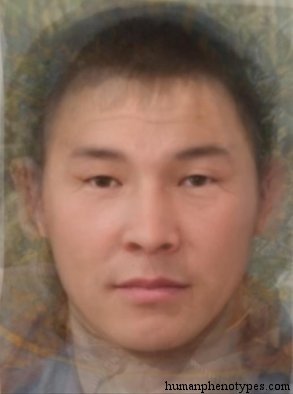
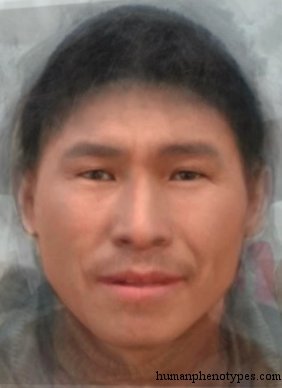
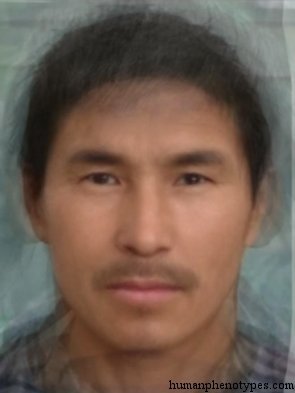
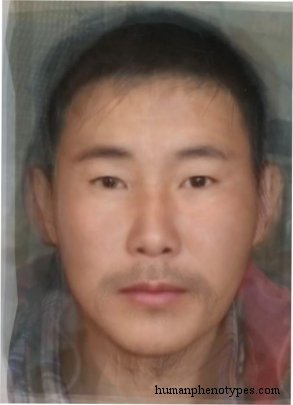
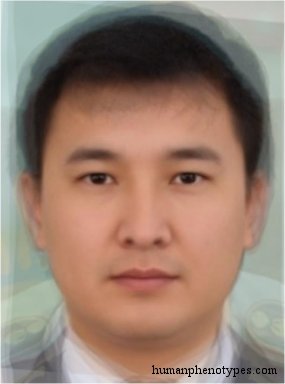
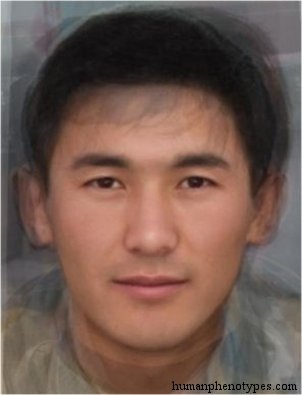
Katanga
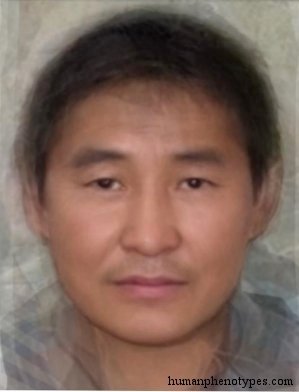
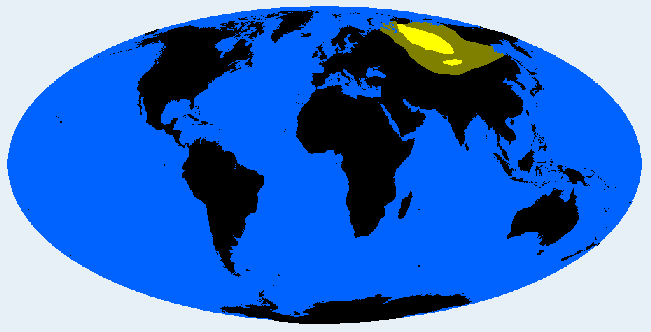
- common
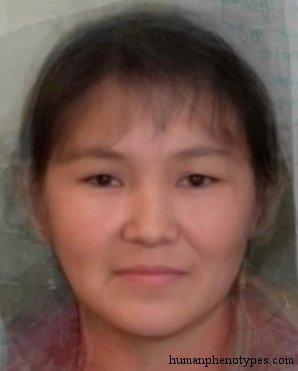
- occasional
- rare
Description
Western Tungid variety, influenced by Sibirid, but with several distinctive features differentiating it from both. Named after the Khatanga river. Native to the vast Central Siberian forests East of the Yenisei and along the Tunguska rivers. Frequent in the pre-Tungus population. Today most common in Tofalars, Western Evenks of the Yenisei and Taz river basins, as well as Eastern Tuvins. Although their territory is large, the population exceeds no more than a few thousand.
Physical traits
Light yellowish-brown skin, darker than the Baykal type, coarse straight hair. Short, macroskelic, endomorph. Brachycephalic, mildly chamaecranic. Mildly leptorrhine nose that is more prominent than in the Baykal type. The face is short, rather low, and very broad, and differs from all neighbours. Body hair very sparse, lips thin, forehead straight. Eyes slanting, Mongolian fold is found in some individuals.
Literature
Named and separated from the Baykal type by Debets (1951), who also used the type in his later typology (Debets, 1974). Described in detail by Levin (1963). In others systems usually a (Paleo) Sibirid-admixed Tungid (Eickstedt, 1934; Biasutti, 1967; Kunssmann, 1996).