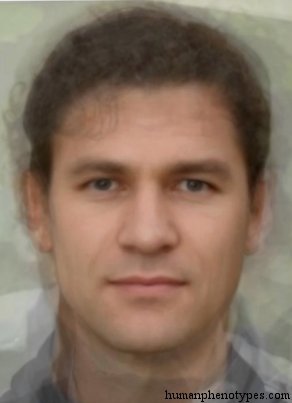
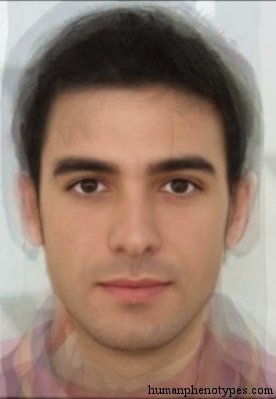
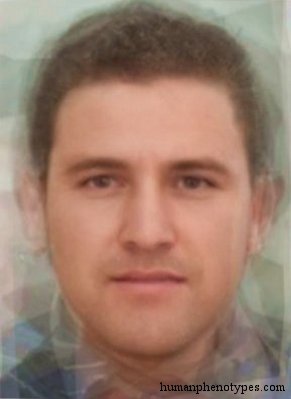
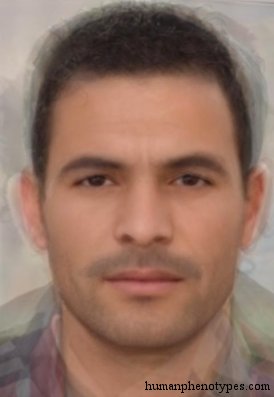
Paleo Sardinian
Group Mediterranid
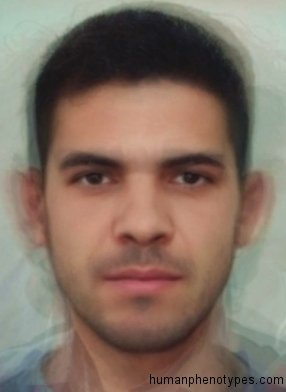
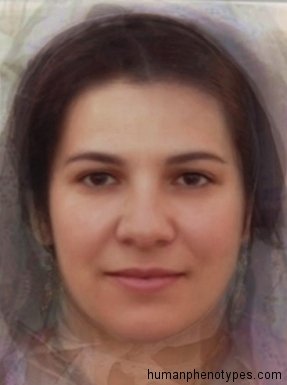
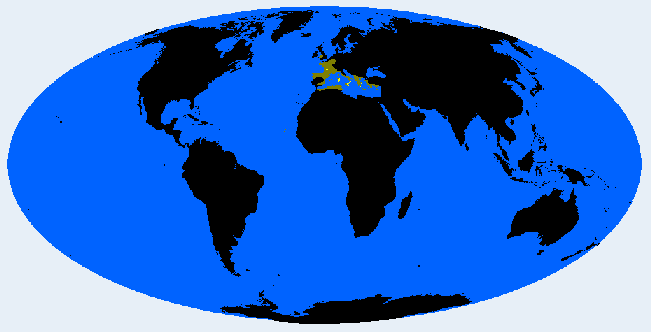
- common
- occasional
- rare
Description
Ancient type, was widespread in Central Europe during the Neolithic, has survived as a minority element in the mountains of the Italian island of Sardinia. Morphologically similar to Berberid, although significantly gracilised and genetically different. Both show a Paleo Mediterranean state. Similar traces exist in Perigord (France), Aegean islands, Eastern Sicily, Southern Calabria, and Southern Turkey.
Physical traits
Light brown skin, straight to wavy dark, abundant hair. Short, meso- to endomorph, mesoskelic. Chamae- orthocranic, dolichocephalic, rather small-headed. Short, frequently concave, mildly leptorrhine or mesorrhine nose with a depressed bridge. Features coarse, hardly reduced. Face wide and low, significant supraorbital arches, forehead and hairline low, deep-set eyes, prognathy mild, jaw size modest.
Literature
Defined by Cipriani (1934) and adopted by others (Biasutti, 1967; Knussmann, 1996). Analysed by Hanscher and Schmitz (1976) as well as Vondernach (2008). Lundman integrated it in Berid (1967, 1988) / Berberid (Lundman, 1952b), Fischer (1943) in Coarse Mediterranid. Sardinians are genetically unique (Calò et al. 2008).