HumanPhenotypes
Anthropometric trait

Hair Colour

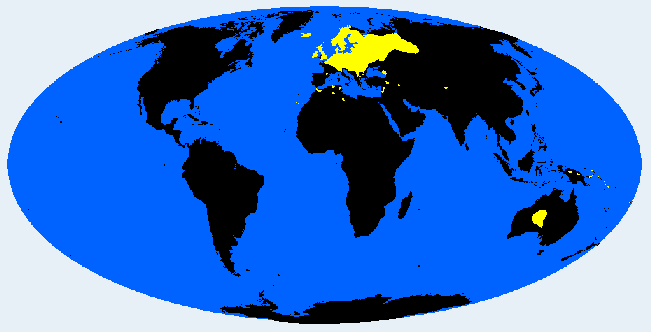
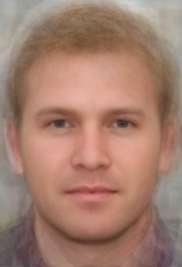
Besides skin colour, the colour of the hair is a relevant aspect of pigmentation. Although hair colour distribution is similar to skin colour distribution, the correlation of the two traits is far from perfect. The melanocytes present in hair follicles do not differ from those which supply melanin to the skin, but the activity of melanocyte is affected by the location in which it finds itself. Thus, hair colour may vary in different parts of the body as well. Individuals in Europe or North Asia may posses fair, sometimes even pale skin with black hair. On the other hand, some Melanesian, Australian, and Pygmy groups show blonde hair combined with dark brown skin. The possible hair colours in young adults are blonde, red, brown, and black. They are complicated by the presence of two different melanines, eumelanin and phaeomelanin, which together produce a variety of shades. Hair colour is not constant with age, as the amount of melanin increases with age before it abruptly decreases in old age. Children show a higher frequency of blonde and red hair in almost all places where lighter hair is present. This hair often but not always changes to brown shades until adulthood. In old age the hair turns gray or even white. In primates, hair graying has a social role, e.g. in gorillas white hairs on the back of a male denote full adulthood and indicate to the other gorillas that he is an individual to be respected. The typical hair colours of young adults are illustrated below. The map shows regions where a specific hair colour is common in native populations. On an individual level, other hair colours may appear in the black areas as well.
blonde distribution

blonde

Blonde hair is the result of a low concentration of melanin, thus revealing the colour of keratin, which forms the body of the hair. Most native people with blonde hair are Europeans. With more than 80 percent of blond males, the blondest places in the world are inland parts of the South Norwegian Agder region and Central Estonia. Blond hair is frequent throughout Northern, Eastern, and Western Europe and sporadically appears in South Europe, North Africa and West Asia. Much smaller dark-skinned blonde populations exist in the Australian interior and parts of Melanesia. Blonde hair may even appear in African Pygmies, Native Americans (Pacifids, Fuegids), Polynesians, in Hmong, Uyghurs, and others. Historically it was a beauty ideal and it is still popular for modern women to dye their hair blonde. Solar radiation can lighten up natural blonde hair even more and turn it strawy. During adolescence many blondes turn brown-haired.
red distribution

red

Red hair is produced if eumelanin is very low, so that the red phaeomelanin becomes visible. It is the rarest and most unique hair colour in the world. It occurs in more than 10 percent of the population only in Celtic groups of Western Ireland, Wales, and Scotland, in Udmurts of Russia, and some Berber groups. It can appear in English, Scandinavians, Germans, French, more frequently among cromagniform phenotypes (Faelid, Paleo Atlantid), and more frequently in mountain regions. It also exists in other European countries. Outside of Europe, it may appear in West Asia, the Australian interior, and in lower frequencies in parts of Melanesia, among African Pygmies, and Polynesians. Very rare in native Americans and others. In Europe, red hair often goes in line with pale skin, freckles, and high vulnerability to sunburn.
brown distribution

brown

Brown hair is produced if eumelanin has a significant level, but not so much that phaeomelanin becomes invisible. Brown is a relatively frequent hair colour, especially in Europe, where it is common almost everywhere except for some parts of Scandinavia and the Baltic region. From Central Europe to parts of Russia it is the most common hair colour. It plays a secondary role after black hair in North Africa, among African Pygmies, in the Near East, Central Asia, Siberia, in West Australians, Melanesians, Polynesians, and some North Indians and Native Americans (Pacifids, Lagids). Brown hair outside of Europe is usually of a dark brown colour, often the transition to black hair is fluent.
black distribution

black

Black hair is caused by a great amount of eumelanin, so that the phaeomelanin is no longer visible. Black hair is by far the most frequent hair colour of the world and dominates almost everywhere except for Europe. It is the standard hair colour in almost all of Africa, South and East Asia, Australia, and America. Black hair appears in all textures ranging from very straight to kinky or peppercorn, and may be combined with all skin colours from pale to black. In some regions, especially Europe, North Africa, North and West Asia, as well as parts of Oceania and America, transitions to dark brown hair are common.