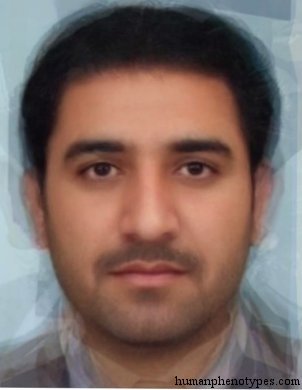
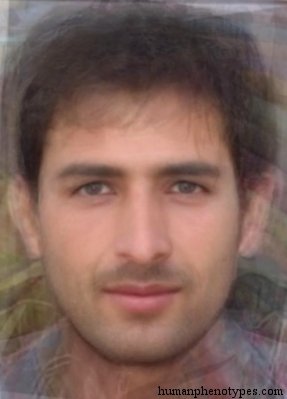
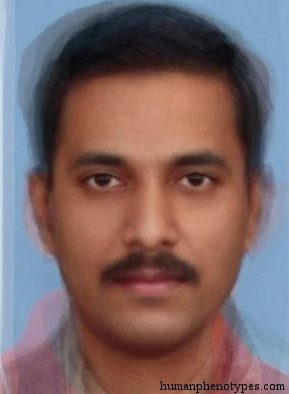
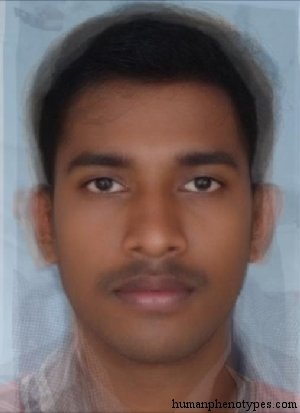
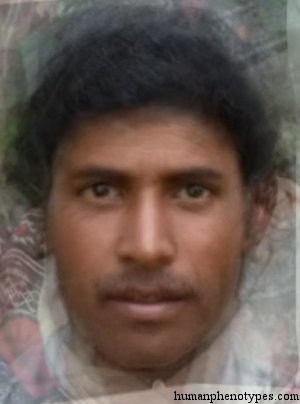
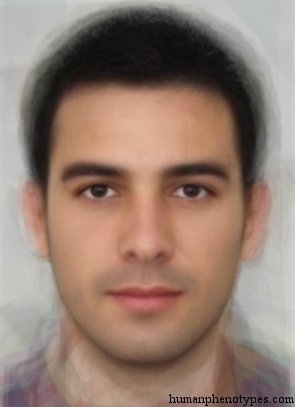
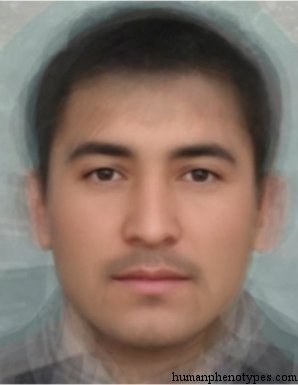
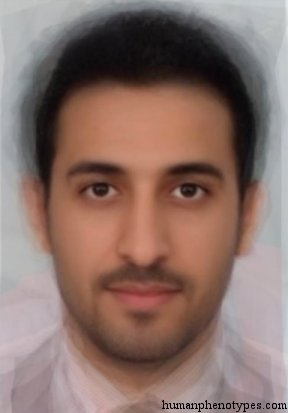
Indid
Basic type 13 varieties
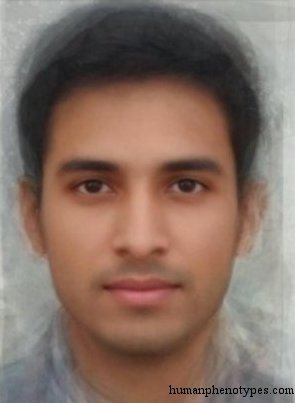
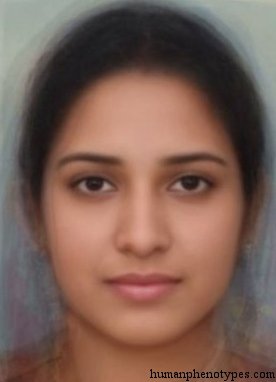
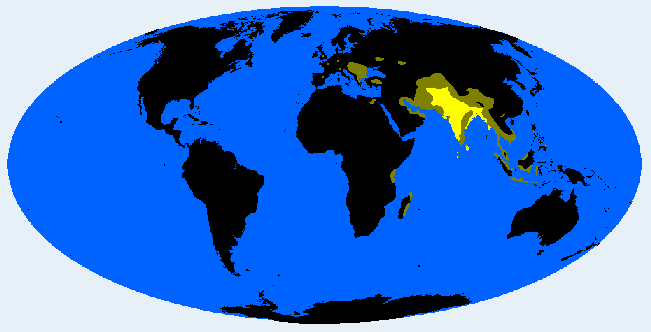
- common
- occasional
- rare
Description
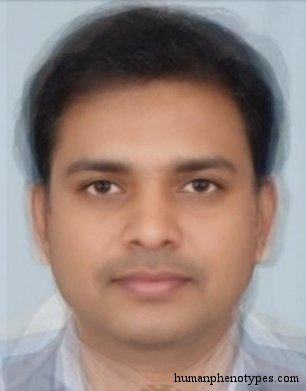
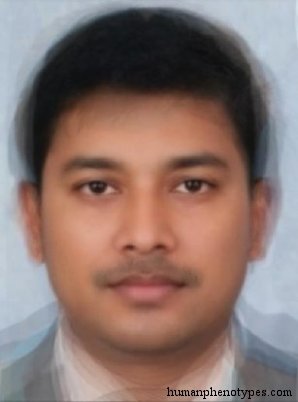
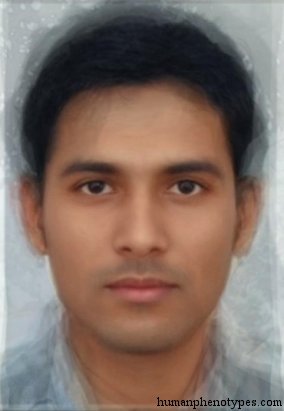
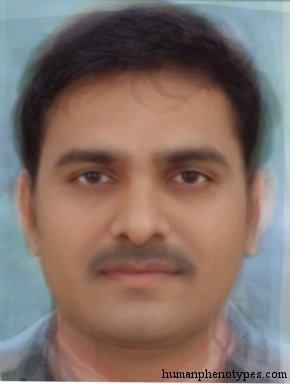
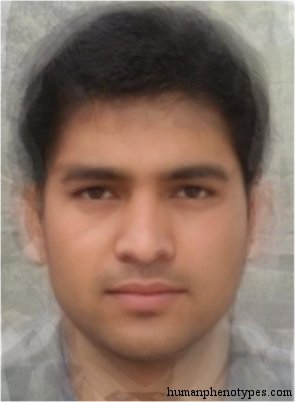
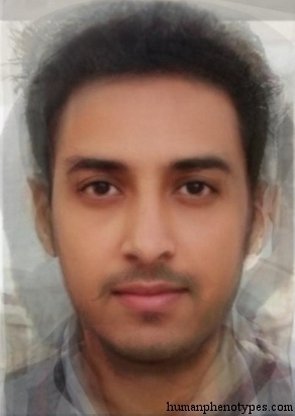
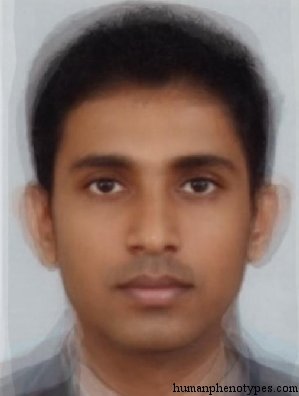
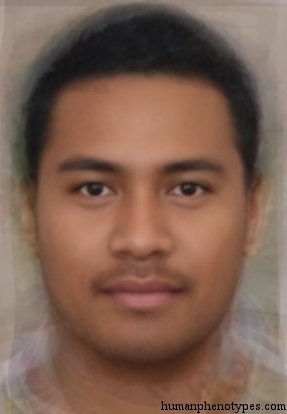
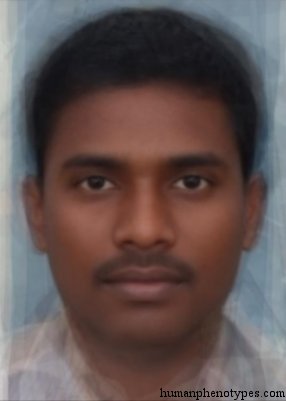
Mediterranoid group, mostly concentrated on the Indian subcontinent. Generally dark haired with light to medium brown skin and long-headed. Forehead high, relatively narrow, straight nose, often gracile facial features with a modeled chin. The almond-shaped eyes and lips tend to be larger than in Mediterranid proper. Was already present 2000-3000 BCE in the Indus Valley in cities like Mohenjo-daro and Harappa. Probably derives from various Indo-European migrations to India. The small Gracile Indids are usually regarded as the most typical variant. They contain a Mountain Indid, a Sinhalesid, and a Keralid subvariety. In North-West India and Pakistan, a taller North Indid variety exists. The Toda has sometimes been seen as a North Indid variety, but may be treated independently. Various ancient migrations brought it to Thailand, Arabia, Madagascar, Indonesia, and Europe, newer ones to America, Great Britain, and Australia.
Names across authors
Indid (Eickstedt, 1952; Vogel, 1974; Knussmann, 1996), Indo-Afghan(e) (Deniker, 1900; Vallois, 1968; Debets, 1974), Indiana (Biasutti, 1967), Mediterranean Indian (Cole, 1965), Indo-Dravidian (Hooton, 1946) , Homo indicus (Bory, 1827).