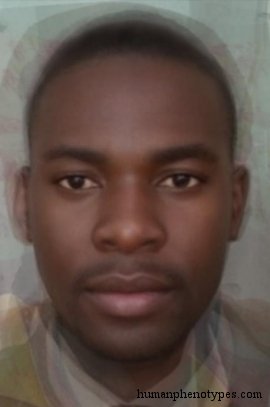
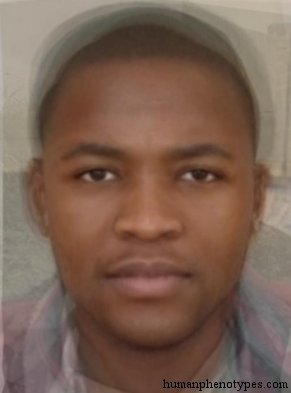
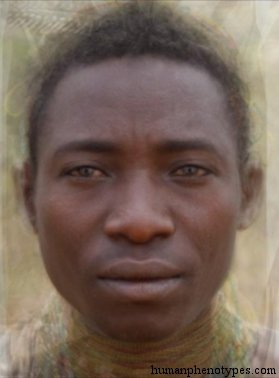
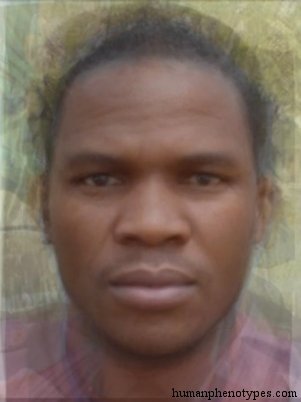
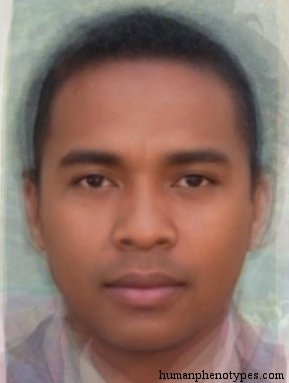
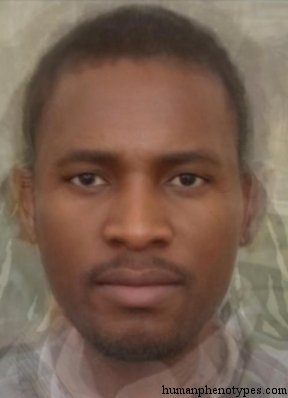
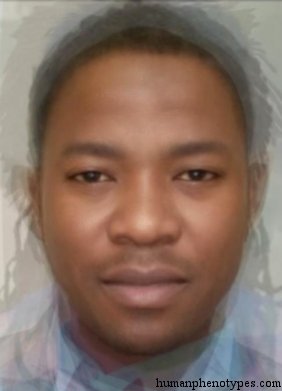
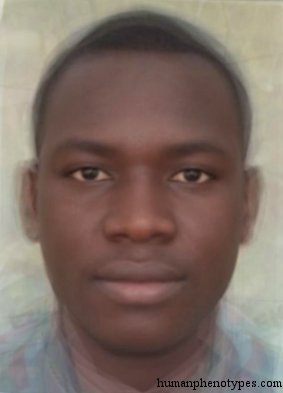
Bantuid
Basic type 10 varieties

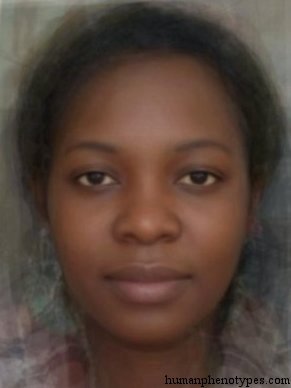
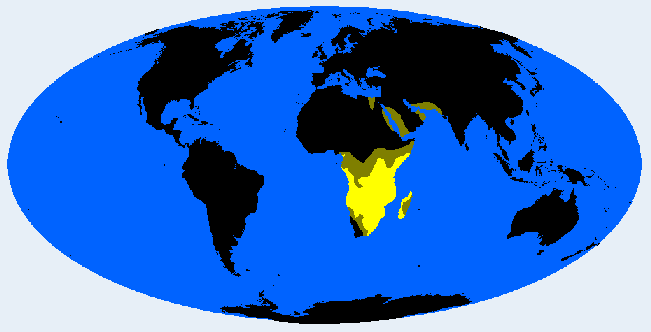
- common
- occasional
- rare
Description
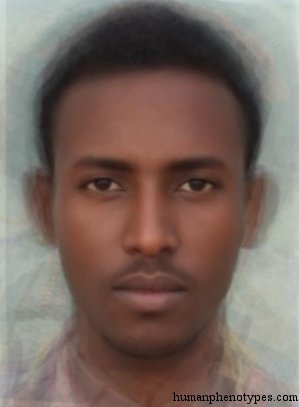
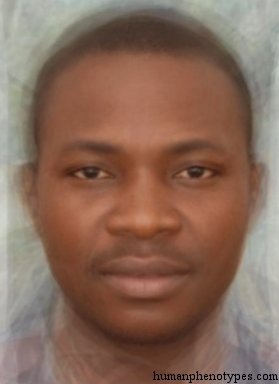
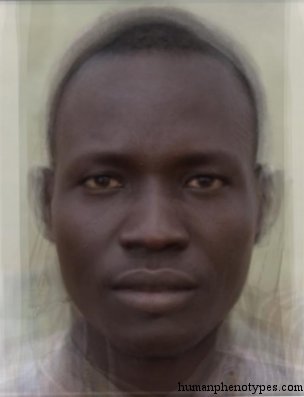
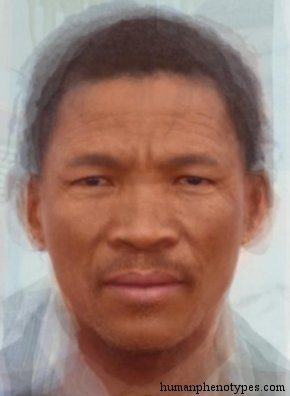
Widespread type, native to the savannah regions of the southern African hemisphere. Skulls tend to be long and low, noses wide, lips full, chin small, forehead high, facial features robust, and hair kinky. In contrast to the Sudanids of the northern savannahs, the typical Sub-Saharan features are less pronounced, but more bulbous and fleshy, brow ridges stronger, skulls lower, and legs shorter. Probably developed in Central East Africa from where the Bantu expansion started around 2000 BCE and lasted until the Middle Ages, replacing many other populations, among them Khoisanids. North Bantuids tend to have narrower noses, South Bantuids are more robust, Central Bantuids show longer skulls and wider noses. Mixture with older elements produced various other types like the Chopi-Tswana, Fengu-Pondo, and Xhosaid varieties in South Africa. Slavery brought Bantuids to other continents like West Asia and the Americas, where they constitute an important element today.
Names across authors
Bantuid (Eickstedt, 1934; Vogel, 1974), Kafrid (Eickstedt, 1952; Lundman, 1967; Knussmann, 1996), South African (Debets, 1974), Sud-Africaine (Montandon, 1933; Vallois, 1968), Cafra (Biasutti, 1967), Bantu Speaking Negro (Cole, 1965), Bantu (Coon et al., 1950); Cafre (Bory, 1827).